Buy conversa.eu ?
We are moving the project
conversa.eu .
Are you interested in purchasing the domain
conversa.eu ?
domain@kv-gmbh.de · 0541-91531010
Buy conversa.eu ?
Which tenses exist in Swiss German that only have two tenses?
In Swiss German, there are two tenses that only have two forms: the present tense and the past tense. The present tense is used to talk about actions happening in the present, while the past tense is used to talk about actions that have already happened. Unlike in Standard German, there is no distinction between the simple past and the present perfect tense in Swiss German. **
Which tenses are related?
The tenses that are related in English are the simple present, simple past, and simple future tenses. These tenses are the basic forms of verb conjugation and are used to express actions or states that occur in the present, past, or future respectively. They are often used as building blocks for more complex tenses and can be combined with auxiliary verbs to convey different shades of meaning. Understanding the relationship between these tenses is essential for mastering English grammar. **

Similar search terms for Tenses
Top-Angebote
Products related to Tenses:
-
"""Duckhorn The Discussion 2021 Red Wine - California""""""A complex medley of brambly red currants, black raspberry, fig compote & rose petals grace the nose. The palate is supple and velvety with powdery tannins bolstering age-ability. Extended barrel aging yields wonderful complexity with hints of..."191,99 $*Shipping: 0,00 $Secure redirect to the provider
-
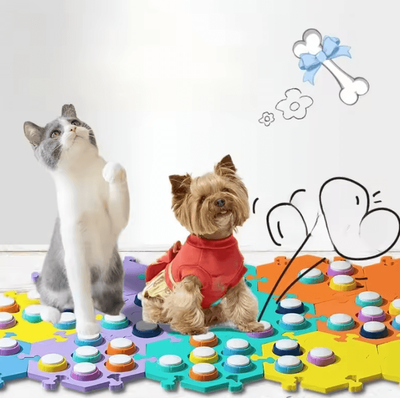
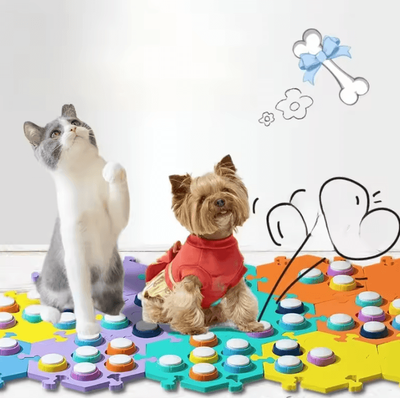
Inspire Curations TalkPaws Dog Communication Buttons For Pet Training & Interaction only Buttons 8 PiecesStrengthen the bond with your pet through a fun and engaging way to communicate. These recordable dog communication buttons allow dogs and cats to associate words, actions, and needs with simple button presses, helping create interactive training...140,50 $*Shipping: 0,00 $Secure redirect to the provider
-
Inspire Curations TalkPaws Dog Communication Buttons For Pet Training & Interaction only Buttons 9 PiecesStrengthen the bond with your pet through a fun and engaging way to communicate. These recordable dog communication buttons allow dogs and cats to associate words, actions, and needs with simple button presses, helping create interactive training...143,00 $*Shipping: 0,00 $Secure redirect to the provider
-
Inspire Curations TalkPaws Dog Communication Buttons For Pet Training & Interaction with Mats 9 PiecesStrengthen the bond with your pet through a fun and engaging way to communicate. These recordable dog communication buttons allow dogs and cats to associate words, actions, and needs with simple button presses, helping create interactive training...155,50 $*Shipping: 0,00 $Secure redirect to the provider




-
Which tenses are there in Swiss German that only have two tenses?
In Swiss German, there are two tenses that only have two forms: present and past. The present tense is used to describe actions happening in the present moment, while the past tense is used to talk about actions that have already occurred. These two tenses are commonly used in everyday conversations in Swiss German. **
-
Which tenses are there in Swiss German that have only two tenses?
In Swiss German, there are two tenses that have only two forms: the present tense and the past tense. The present tense is used to describe actions happening in the present moment, while the past tense is used to talk about actions that have already happened. Unlike Standard German, Swiss German does not have a separate future tense, so speakers use the present tense or auxiliary verbs to indicate future actions. **
-
Which tenses exist in Swiss German where there are only two tenses?
In Swiss German, the two tenses that exist are the present tense and the past tense. The present tense is used to describe actions that are currently happening or habitual actions, while the past tense is used to talk about actions that have already occurred. Swiss German does not have a separate future tense, as the present tense can also be used to express future actions. **
-
Which two tenses are possible?
The two tenses that are possible are the present tense and the past tense. The present tense is used to describe actions that are currently happening or are generally true, while the past tense is used to describe actions that have already occurred. These two tenses allow us to convey different time frames and perspectives in our writing and speech. **

How can one recognize tenses?
One can recognize tenses by looking at the verb in a sentence and identifying the time frame in which the action is taking place. For example, if the verb ends in "-ed" it is likely in the past tense, while if it ends in "-ing" it is likely in the present continuous tense. Additionally, the use of helping verbs such as "will" or "has" can indicate future or present perfect tenses, respectively. Understanding the context of the sentence and the time frame being referred to can also help in recognizing tenses. **
Which tenses must one use?
One must use a variety of tenses in order to accurately convey different points in time and actions. The choice of tense depends on the specific context and the relationship between different events. For example, the present tense is used for current actions or general truths, the past tense is used for completed actions or events, and the future tense is used for actions that will happen at a later time. Additionally, the perfect tenses are used to show actions that are completed or ongoing at a specific point in time. Overall, the selection of tenses is crucial for effectively communicating the timing and sequence of events. **
Top-Angebote
Products related to Tenses:
-
Inspire Curations TalkPaws Dog Communication Buttons For Pet Training & Interaction with Mats 6 PiecesStrengthen the bond with your pet through a fun and engaging way to communicate. These recordable dog communication buttons allow dogs and cats to associate words, actions, and needs with simple button presses, helping create interactive training...145,50 $*Shipping: 0,00 $Secure redirect to the provider
-
Hodder & Stoughton Conversations with God: An Uncommon Dialogue Book 2 by Neale Donald Walsch - Paperback - Spiritual Dialogue Non FictionConversations with God: An Uncommon Dialogue Book 2 is the second volume in Neale Donald Walsch's internationally bestselling spiritual series. Written as a direct dialogue with the divine, this book broadens the scope of Book One to tackle global questions - politics, education, sexuality, and the metaphysical forces shaping humanity's future. Thoughtful and provocative, it remains one of the most widely read works of contemporary spirituality. When Neale Donald Walsch found himself at a personal and spiritual low point, he sat down and wrote an angry letter addressed to God - and, unexpectedly, found answers flowing back through his pen. That encounter became Conversations with God: Book 1, a worldwide phenomenon that sparked a thirty-four-language, multi-million-copy series. Book 2 continues the dialogue, but widens its lens dramatically, exploring topics that have a significant impact on our lives and the world we live in. Published by Hodder & Stoughton, this book is a thought-provoking read for anyone interested in spirituality and personal growth.4,99 £*Shipping: 2,99 £Secure redirect to the provider
-
"""Duckhorn The Discussion 2021 Red Wine - California""""""A complex medley of brambly red currants, black raspberry, fig compote & rose petals grace the nose. The palate is supple and velvety with powdery tannins bolstering age-ability. Extended barrel aging yields wonderful complexity with hints of..."191,99 $*Shipping: 0,00 $Secure redirect to the provider
-
Inspire Curations TalkPaws Dog Communication Buttons For Pet Training & Interaction only Buttons 8 PiecesStrengthen the bond with your pet through a fun and engaging way to communicate. These recordable dog communication buttons allow dogs and cats to associate words, actions, and needs with simple button presses, helping create interactive training...140,50 $*Shipping: 0,00 $Secure redirect to the provider
-
Which tenses exist in Swiss German that only have two tenses?
In Swiss German, there are two tenses that only have two forms: the present tense and the past tense. The present tense is used to talk about actions happening in the present, while the past tense is used to talk about actions that have already happened. Unlike in Standard German, there is no distinction between the simple past and the present perfect tense in Swiss German. **
-
Which tenses are related?
The tenses that are related in English are the simple present, simple past, and simple future tenses. These tenses are the basic forms of verb conjugation and are used to express actions or states that occur in the present, past, or future respectively. They are often used as building blocks for more complex tenses and can be combined with auxiliary verbs to convey different shades of meaning. Understanding the relationship between these tenses is essential for mastering English grammar. **
-
Which tenses are there in Swiss German that only have two tenses?
In Swiss German, there are two tenses that only have two forms: present and past. The present tense is used to describe actions happening in the present moment, while the past tense is used to talk about actions that have already occurred. These two tenses are commonly used in everyday conversations in Swiss German. **
-
Which tenses are there in Swiss German that have only two tenses?
In Swiss German, there are two tenses that have only two forms: the present tense and the past tense. The present tense is used to describe actions happening in the present moment, while the past tense is used to talk about actions that have already happened. Unlike Standard German, Swiss German does not have a separate future tense, so speakers use the present tense or auxiliary verbs to indicate future actions. **
Similar search terms for Tenses
-
Inspire Curations TalkPaws Dog Communication Buttons For Pet Training & Interaction only Buttons 9 PiecesStrengthen the bond with your pet through a fun and engaging way to communicate. These recordable dog communication buttons allow dogs and cats to associate words, actions, and needs with simple button presses, helping create interactive training...143,00 $*Shipping: 0,00 $Secure redirect to the provider
-
Inspire Curations TalkPaws Dog Communication Buttons For Pet Training & Interaction with Mats 9 PiecesStrengthen the bond with your pet through a fun and engaging way to communicate. These recordable dog communication buttons allow dogs and cats to associate words, actions, and needs with simple button presses, helping create interactive training...155,50 $*Shipping: 0,00 $Secure redirect to the provider
-
Inspire Curations TalkPaws Dog Communication Buttons For Pet Training & Interaction with Mats 5 PiecesStrengthen the bond with your pet through a fun and engaging way to communicate. These recordable dog communication buttons allow dogs and cats to associate words, actions, and needs with simple button presses, helping create interactive training...140,50 $*Shipping: 0,00 $Secure redirect to the provider
-
Inspire Curations TalkPaws Dog Communication Buttons For Pet Training & Interaction only Buttons 6 PiecesStrengthen the bond with your pet through a fun and engaging way to communicate. These recordable dog communication buttons allow dogs and cats to associate words, actions, and needs with simple button presses, helping create interactive training...135,00 $*Shipping: 0,00 $Secure redirect to the provider
-
Which tenses exist in Swiss German where there are only two tenses?
In Swiss German, the two tenses that exist are the present tense and the past tense. The present tense is used to describe actions that are currently happening or habitual actions, while the past tense is used to talk about actions that have already occurred. Swiss German does not have a separate future tense, as the present tense can also be used to express future actions. **
-
Which two tenses are possible?
The two tenses that are possible are the present tense and the past tense. The present tense is used to describe actions that are currently happening or are generally true, while the past tense is used to describe actions that have already occurred. These two tenses allow us to convey different time frames and perspectives in our writing and speech. **
-
How can one recognize tenses?
One can recognize tenses by looking at the verb in a sentence and identifying the time frame in which the action is taking place. For example, if the verb ends in "-ed" it is likely in the past tense, while if it ends in "-ing" it is likely in the present continuous tense. Additionally, the use of helping verbs such as "will" or "has" can indicate future or present perfect tenses, respectively. Understanding the context of the sentence and the time frame being referred to can also help in recognizing tenses. **
-
Which tenses must one use?
One must use a variety of tenses in order to accurately convey different points in time and actions. The choice of tense depends on the specific context and the relationship between different events. For example, the present tense is used for current actions or general truths, the past tense is used for completed actions or events, and the future tense is used for actions that will happen at a later time. Additionally, the perfect tenses are used to show actions that are completed or ongoing at a specific point in time. Overall, the selection of tenses is crucial for effectively communicating the timing and sequence of events. **
* All prices are inclusive of VAT and, if applicable, plus shipping costs. The offer information is based on the details provided by the respective shop and is updated through automated processes. Real-time updates do not occur, so deviations can occur in individual cases. ** Note: Parts of this content were created by AI.