Buy conversa.eu ?
We are moving the project
conversa.eu .
Are you interested in purchasing the domain
conversa.eu ?
domain@kv-gmbh.de · 0541-91531010
Buy conversa.eu ?
What are personal publications?
Personal publications are writings or works that are created and published by an individual, rather than by a company or organization. These can include self-published books, blogs, social media posts, and other forms of content that are created and shared by an individual. Personal publications often reflect the unique perspectives, experiences, and expertise of the individual creator, and can cover a wide range of topics and genres. **
How do you write an introduction for a discussion?
When writing an introduction for a discussion, it's important to start by providing some background information on the topic to give context to the reader. You can also include a brief overview of the main points that will be covered in the discussion. Additionally, it's helpful to engage the reader by posing a thought-provoking question or sharing a relevant anecdote to draw them into the topic. Finally, be sure to clearly state the purpose of the discussion and what you hope to achieve by the end of it. **
Similar search terms for SAGE-Publications-An-Introduction
Top-Angebote
Products related to SAGE-Publications-An-Introduction:
-
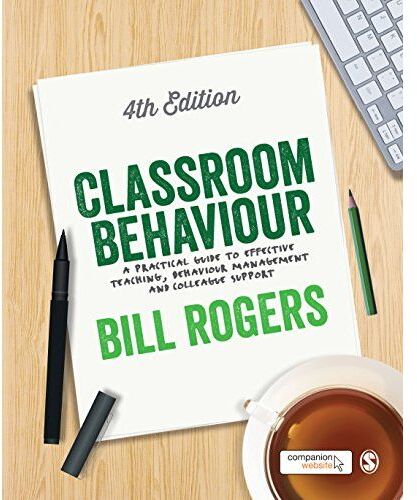
SAGE Publications Classroom Behaviour by Bill RogersThis exciting new edition of the best-selling and beloved teacher's companion looks at the everyday behaviour issues facing teachers working in today's classrooms. Describing real situations and dilemmas, Bill Rogers provides theoretically sound strategies and best practices to support you in meeting the challenges of the job, as well as building up a rapport with both students and colleagues to enable positive and productive learning environments. Written jargon-free in Bill's accessible and empathetic voice it includes in-depth strategies, practical examples, case studies and pragmatic hints and tips to put in to practice. This will make for informative and inspiring reading to all those involved in educating our children and young people. The new edition has been revised and updated and now also includes access to an interactive website packed with a host of extra material to take you further. Videos of Bill demonstrating his behaviour strategies in real classroom settings Podcasts where Bill explains his ideas and ethos in more detail as well as answering teachers' FAQs Extra reading material for even more support on difficult subjects Behaviour Management Tool Templates to use with students in the everyday classroom Role-play scenario cards to help understand and prepare for challenging situations "We often think of behaviour management in terms of dealing with challenging behaviour, but Dr Rogers begins by looking at classroom organisation and whole-class strategies. Alongside the theory, he provides examples that create a much deeper understanding of exactly what works and what doesn’t." - Special magazine24,99 £*Shipping: 2,99 £Secure redirect to the provider
-
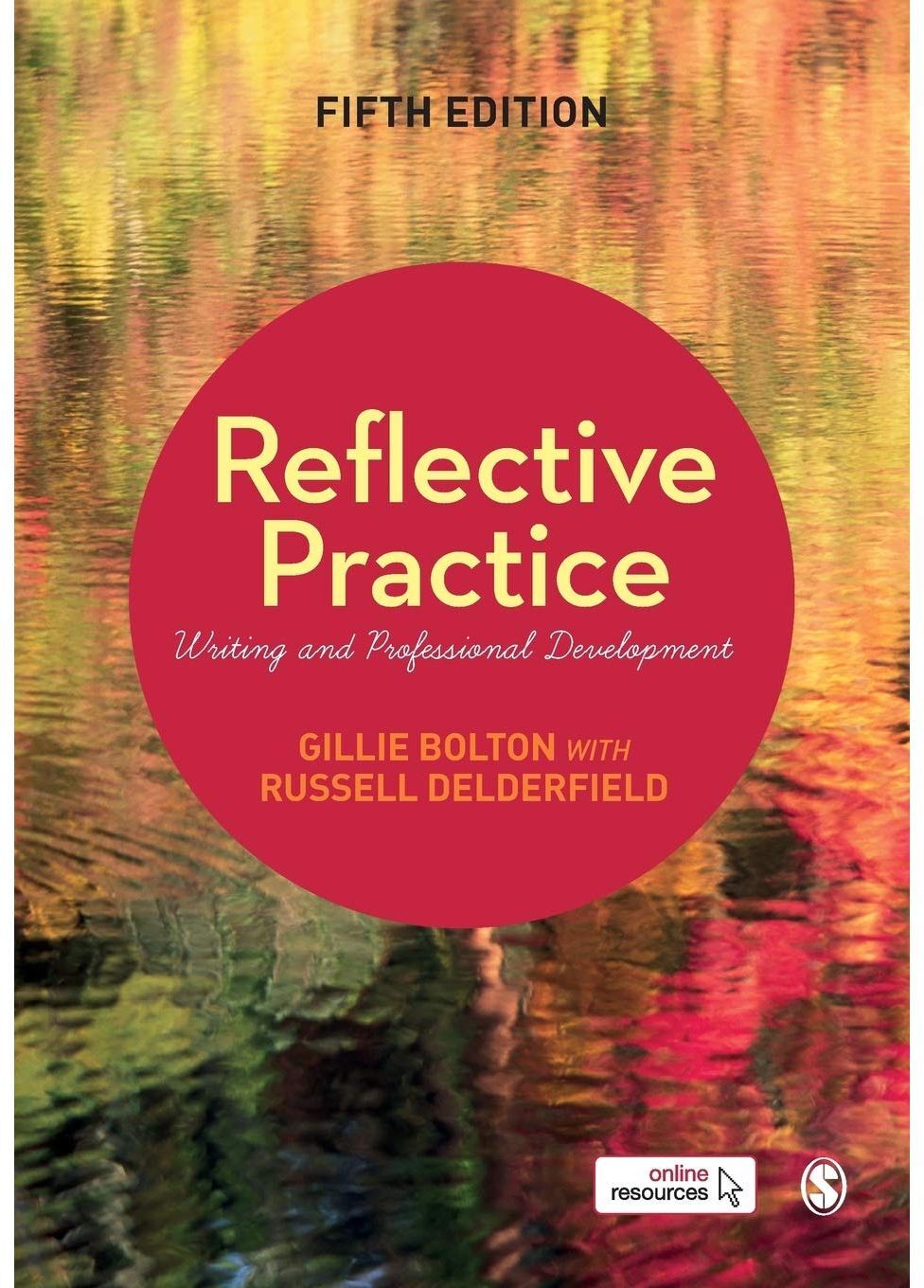
SAGE Publications Reflective Practice: Writing and Professional DevelopmentReflecting thoughtfully on your work is vital for improving your own self-awareness, effectiveness and professional development. This newly updated fifth edition of Gillie Bolton’s bestselling book explores reflective writing as a creative and dynamic process for this critical enquiry. New to this edition: An expanded range of exercises and activities A new emphasis on using e-portfolios Further guidance on reflective writing assignments Enhanced discussion of reflection as a key employability skill Additional online resources This popular book has been used worldwide in various disciplines including education, social work, business and management, medicine and healthcare and is essential reading for students and professionals seeking to enhance their reflective writing skills and to examine their own practice in greater critical depth.18,19 £*Shipping: 2,99 £Secure redirect to the provider
-
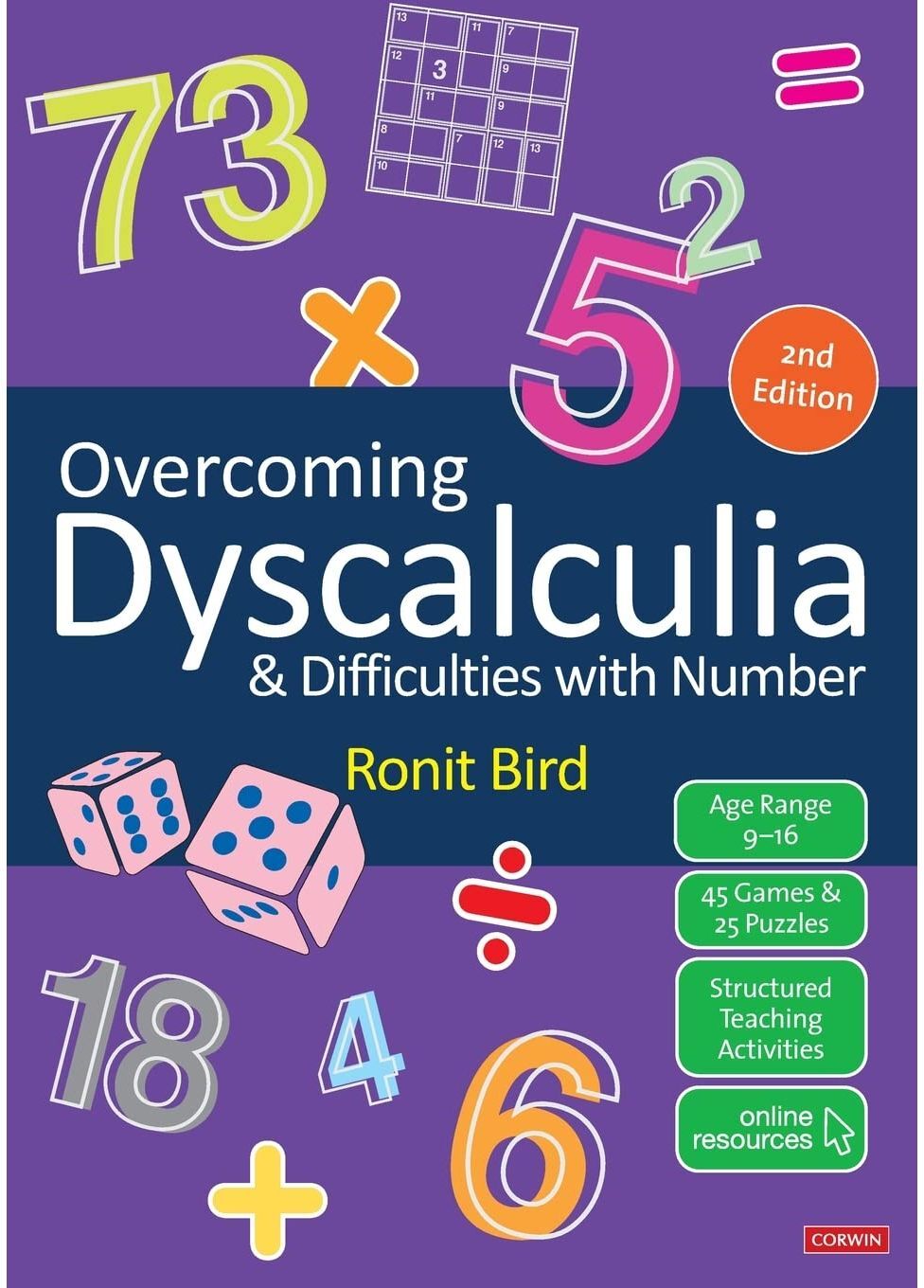
SAGE Publications Overcoming Dyscalculia and Difficulties with NumberThis practical book draws on Ronit Bird’s teaching experience to create detailed strategies and teaching plans for students aged 9-16 who have difficulties with number. Activities and games are used to teach numeracy skills in these key areas: number components, bridging, multiplication, division and reasoning strategies. New to this edition: An updated Part I, improving the clarity and flow of the teaching ideas, including a table mapping games against specific teaching points More activities and guidance for multiplication and division A new Part V, consolidating new and existing teaching games in one place 4 new videos added to the online resources This is an ideal resource for class teachers, SENCO (Special Educational Needs Co-ordinator) and maths subject leader, and is equally useful for teaching assistants and learning support assistants.27,95 £*Shipping: 2,99 £Secure redirect to the provider
-
SAGE Publications Putting the EYFS Curriculum into PracticeHow should practitioners and leaders set about designing and implementing their curriculum in the Early Years Foundation Stage? Written by experts in the field, this book provides clear, practical guidance on each of the 7 areas of learning and development in the revised (2021) EYFS. Chapters cover key topics including, assessment, inclusion of children with SEND, English as an Additional Language, equalities, anti-racism, provision for disadvantaged children, professional development and using research and evidence.Designed for practising teachers, early years educators, students on early years degrees and trainee teachers, this engaging book provides an accessible guide to putting revised EYFS into practice.20,99 £*Shipping: 2,99 £Secure redirect to the provider
-
How do you start a discussion with an introduction?
To start a discussion with an introduction, it's important to first greet the participants and establish a welcoming atmosphere. Then, provide a brief overview of the topic or purpose of the discussion to set the context. You can also share any relevant background information or key points that will be covered. Finally, invite the participants to share their thoughts or ask any initial questions to kick off the conversation. This approach helps to engage the audience and create a smooth transition into the discussion. **
-
How can one write an introduction for a discussion?
When writing an introduction for a discussion, it's important to start by providing some background information on the topic to give the readers context. You can also include a brief overview of the main points or issues that will be addressed in the discussion. It's also helpful to clearly state the purpose of the discussion and what the readers can expect to gain from it. Finally, you can end the introduction with a thesis statement or a thought-provoking question to engage the readers and encourage them to continue reading. **
-
How could an introduction for a discussion look like?
An introduction for a discussion could start with a thought-provoking question or a relevant quote to grab the audience's attention. It could also provide some background information on the topic to set the context for the discussion. Additionally, the introduction could outline the main points that will be covered during the discussion to give the audience an idea of what to expect. Overall, the introduction should be engaging, informative, and set the tone for the rest of the discussion. **
-
How could an introduction to a discussion look like?
An introduction to a discussion could start with a brief overview of the topic to be discussed, followed by a statement or question that captures the audience's attention and sets the tone for the conversation. It could also include some background information or context to provide a foundation for the discussion. Additionally, the introduction could outline the main points or goals of the discussion to give the participants a sense of what to expect. Overall, the introduction should aim to engage the audience and create a sense of anticipation for the conversation ahead. **
How could an introduction for a written discussion look like?
An introduction for a written discussion could start with a thought-provoking question or a relevant quote to capture the reader's attention. It should provide a brief overview of the topic and its importance, as well as the main points that will be discussed. Additionally, it could include some background information or context to set the stage for the discussion. Finally, the introduction should end with a clear thesis statement or the main argument that will be explored in the discussion. **
What can I write in an introduction of a discussion?
In the introduction of a discussion, you can provide a brief overview of the topic you will be discussing, highlight its importance or relevance, and outline the main points or questions that will be addressed. You can also provide some background information or context to help set the stage for the discussion and grab the readers' attention. Additionally, you can mention any key terms or definitions that will be used throughout the discussion to ensure clarity and understanding. **
Top-Angebote
Products related to SAGE-Publications-An-Introduction:
-
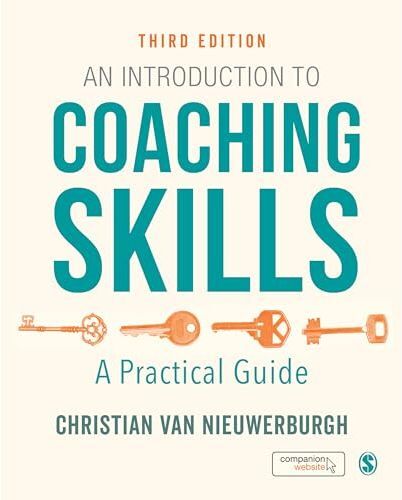
SAGE Publications An Introduction to Coaching Skills: A Practical GuideTo access the exclusive SAGE Videos, please see the code and instructions on the inside front cover of your textbook. If you have purchased the eBook from Amazon or another online retailer, please visit the book′s online resource site to contact SAGE, and we will assist further. This bestselling book introduces you step-by-step to the key skills needed to become a successful coach. Supported by an Online Resource site with over 70 videos of coaching in action, this practical book will be an invaluable resource for novices and trainee coaches.19,49 £*Shipping: 2,99 £Secure redirect to the provider
-
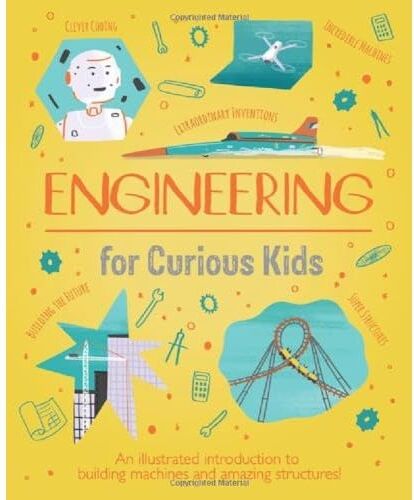
Arcturus Engineering for Curious Kids: An Illustrated Introduction to Building Machines and Amazing Structures!Discover the wonders of engineering with this vibrantly illustrated, inspirational, and accessible book. Young readers can take a journey through the incredible world of engineering - discovering how the field began, some famous events and key figures from its history and how engineers work today. It covers all the main types of engineering, including civil, mechanical, electrical, electronic and chemical. Find out the skills needed to... • Design cars, jets, ships and rockets • Build spectacular skyscrapers • Dig tunnels through mountains • Deliver power to homes, farms and factories Big new concepts pop off the page, thanks to full-colour illustrations, vibrant diagrams and an engaging, energetic prose style. Kids aged 8-12 will relish sharing them with friends and family!8,99 £*Shipping: 2,99 £Secure redirect to the provider
-
SAGE Publications Classroom Behaviour by Bill RogersThis exciting new edition of the best-selling and beloved teacher's companion looks at the everyday behaviour issues facing teachers working in today's classrooms. Describing real situations and dilemmas, Bill Rogers provides theoretically sound strategies and best practices to support you in meeting the challenges of the job, as well as building up a rapport with both students and colleagues to enable positive and productive learning environments. Written jargon-free in Bill's accessible and empathetic voice it includes in-depth strategies, practical examples, case studies and pragmatic hints and tips to put in to practice. This will make for informative and inspiring reading to all those involved in educating our children and young people. The new edition has been revised and updated and now also includes access to an interactive website packed with a host of extra material to take you further. Videos of Bill demonstrating his behaviour strategies in real classroom settings Podcasts where Bill explains his ideas and ethos in more detail as well as answering teachers' FAQs Extra reading material for even more support on difficult subjects Behaviour Management Tool Templates to use with students in the everyday classroom Role-play scenario cards to help understand and prepare for challenging situations "We often think of behaviour management in terms of dealing with challenging behaviour, but Dr Rogers begins by looking at classroom organisation and whole-class strategies. Alongside the theory, he provides examples that create a much deeper understanding of exactly what works and what doesn’t." - Special magazine24,99 £*Shipping: 2,99 £Secure redirect to the provider
-
SAGE Publications Reflective Practice: Writing and Professional DevelopmentReflecting thoughtfully on your work is vital for improving your own self-awareness, effectiveness and professional development. This newly updated fifth edition of Gillie Bolton’s bestselling book explores reflective writing as a creative and dynamic process for this critical enquiry. New to this edition: An expanded range of exercises and activities A new emphasis on using e-portfolios Further guidance on reflective writing assignments Enhanced discussion of reflection as a key employability skill Additional online resources This popular book has been used worldwide in various disciplines including education, social work, business and management, medicine and healthcare and is essential reading for students and professionals seeking to enhance their reflective writing skills and to examine their own practice in greater critical depth.18,19 £*Shipping: 2,99 £Secure redirect to the provider
-
What are personal publications?
Personal publications are writings or works that are created and published by an individual, rather than by a company or organization. These can include self-published books, blogs, social media posts, and other forms of content that are created and shared by an individual. Personal publications often reflect the unique perspectives, experiences, and expertise of the individual creator, and can cover a wide range of topics and genres. **
-
How do you write an introduction for a discussion?
When writing an introduction for a discussion, it's important to start by providing some background information on the topic to give context to the reader. You can also include a brief overview of the main points that will be covered in the discussion. Additionally, it's helpful to engage the reader by posing a thought-provoking question or sharing a relevant anecdote to draw them into the topic. Finally, be sure to clearly state the purpose of the discussion and what you hope to achieve by the end of it. **
-
How do you start a discussion with an introduction?
To start a discussion with an introduction, it's important to first greet the participants and establish a welcoming atmosphere. Then, provide a brief overview of the topic or purpose of the discussion to set the context. You can also share any relevant background information or key points that will be covered. Finally, invite the participants to share their thoughts or ask any initial questions to kick off the conversation. This approach helps to engage the audience and create a smooth transition into the discussion. **
-
How can one write an introduction for a discussion?
When writing an introduction for a discussion, it's important to start by providing some background information on the topic to give the readers context. You can also include a brief overview of the main points or issues that will be addressed in the discussion. It's also helpful to clearly state the purpose of the discussion and what the readers can expect to gain from it. Finally, you can end the introduction with a thesis statement or a thought-provoking question to engage the readers and encourage them to continue reading. **
Similar search terms for SAGE-Publications-An-Introduction
-
SAGE Publications Overcoming Dyscalculia and Difficulties with NumberThis practical book draws on Ronit Bird’s teaching experience to create detailed strategies and teaching plans for students aged 9-16 who have difficulties with number. Activities and games are used to teach numeracy skills in these key areas: number components, bridging, multiplication, division and reasoning strategies. New to this edition: An updated Part I, improving the clarity and flow of the teaching ideas, including a table mapping games against specific teaching points More activities and guidance for multiplication and division A new Part V, consolidating new and existing teaching games in one place 4 new videos added to the online resources This is an ideal resource for class teachers, SENCO (Special Educational Needs Co-ordinator) and maths subject leader, and is equally useful for teaching assistants and learning support assistants.27,95 £*Shipping: 2,99 £Secure redirect to the provider
-
SAGE Publications Putting the EYFS Curriculum into PracticeHow should practitioners and leaders set about designing and implementing their curriculum in the Early Years Foundation Stage? Written by experts in the field, this book provides clear, practical guidance on each of the 7 areas of learning and development in the revised (2021) EYFS. Chapters cover key topics including, assessment, inclusion of children with SEND, English as an Additional Language, equalities, anti-racism, provision for disadvantaged children, professional development and using research and evidence.Designed for practising teachers, early years educators, students on early years degrees and trainee teachers, this engaging book provides an accessible guide to putting revised EYFS into practice.20,99 £*Shipping: 2,99 £Secure redirect to the provider
-
SAGE Publications Understanding and Using Challenging Educational TheoriesIntroducing you to 18 key educational thinkers who have offered challenging perspectives on education, this new edition comes with:- 3 new chapters on Ivan Illich, Loris Malaguzzi and Michael Apple- A glossary of key words related to each theorist’s work- A context-setting overview of key themes- Practical examples that shows how theories can be applied to your practice17,49 £*Shipping: 2,99 £Secure redirect to the provider
-
SAGE Publications The SENCO Handbook: Leading Provision and PracticeThis Handbook will give aspiring and practising SENCOs, teachers, Headteachers and Governors an in-depth knowledge and understanding of effective policy, provision and practice to meet the diverse needs of children with special educational needs and disabilities. Each chapter will provide: A theoretical underpinning Evidence-based information and examples Activities for professional learning and whole school development Easy to use and adaptable templates and checklists for use in settings Case studies to strengthen connections between theory and practice Providing comprehensive coverage of current issues, the understanding of how to improve provision and practice in their settings and written with consultation from practising SENCOs, this is essential reading for those studying towards their National Award for Special Educational Needs Co-ordination.23,87 £*Shipping: 2,99 £Secure redirect to the provider
-
How could an introduction for a discussion look like?
An introduction for a discussion could start with a thought-provoking question or a relevant quote to grab the audience's attention. It could also provide some background information on the topic to set the context for the discussion. Additionally, the introduction could outline the main points that will be covered during the discussion to give the audience an idea of what to expect. Overall, the introduction should be engaging, informative, and set the tone for the rest of the discussion. **
-
How could an introduction to a discussion look like?
An introduction to a discussion could start with a brief overview of the topic to be discussed, followed by a statement or question that captures the audience's attention and sets the tone for the conversation. It could also include some background information or context to provide a foundation for the discussion. Additionally, the introduction could outline the main points or goals of the discussion to give the participants a sense of what to expect. Overall, the introduction should aim to engage the audience and create a sense of anticipation for the conversation ahead. **
-
How could an introduction for a written discussion look like?
An introduction for a written discussion could start with a thought-provoking question or a relevant quote to capture the reader's attention. It should provide a brief overview of the topic and its importance, as well as the main points that will be discussed. Additionally, it could include some background information or context to set the stage for the discussion. Finally, the introduction should end with a clear thesis statement or the main argument that will be explored in the discussion. **
-
What can I write in an introduction of a discussion?
In the introduction of a discussion, you can provide a brief overview of the topic you will be discussing, highlight its importance or relevance, and outline the main points or questions that will be addressed. You can also provide some background information or context to help set the stage for the discussion and grab the readers' attention. Additionally, you can mention any key terms or definitions that will be used throughout the discussion to ensure clarity and understanding. **
* All prices are inclusive of VAT and, if applicable, plus shipping costs. The offer information is based on the details provided by the respective shop and is updated through automated processes. Real-time updates do not occur, so deviations can occur in individual cases. ** Note: Parts of this content were created by AI.