Buy conversa.eu ?
We are moving the project
conversa.eu .
Are you interested in purchasing the domain
conversa.eu ?
domain@kv-gmbh.de · 0541-91531010
Buy conversa.eu ?
How should one approach starting a conversation?
One should approach starting a conversation by being friendly and approachable. It's important to show genuine interest in the other person by asking open-ended questions and actively listening to their responses. Finding common ground or shared interests can also help to keep the conversation flowing smoothly. Lastly, it's important to be respectful, considerate, and mindful of the other person's feelings and boundaries. **
What are some tips for starting a conversation?
1. Start with a friendly greeting or a simple question to break the ice. 2. Show genuine interest in the other person by asking open-ended questions about their interests or experiences. 3. Use active listening to show that you are engaged in the conversation and value the other person's input. 4. Share a personal anecdote or story to create a connection and make the conversation more relatable. 5. Be mindful of nonverbal cues and body language to ensure that the other person feels comfortable and engaged in the conversation. **

Similar search terms for Starting
Top-Angebote
Products related to Starting:
-
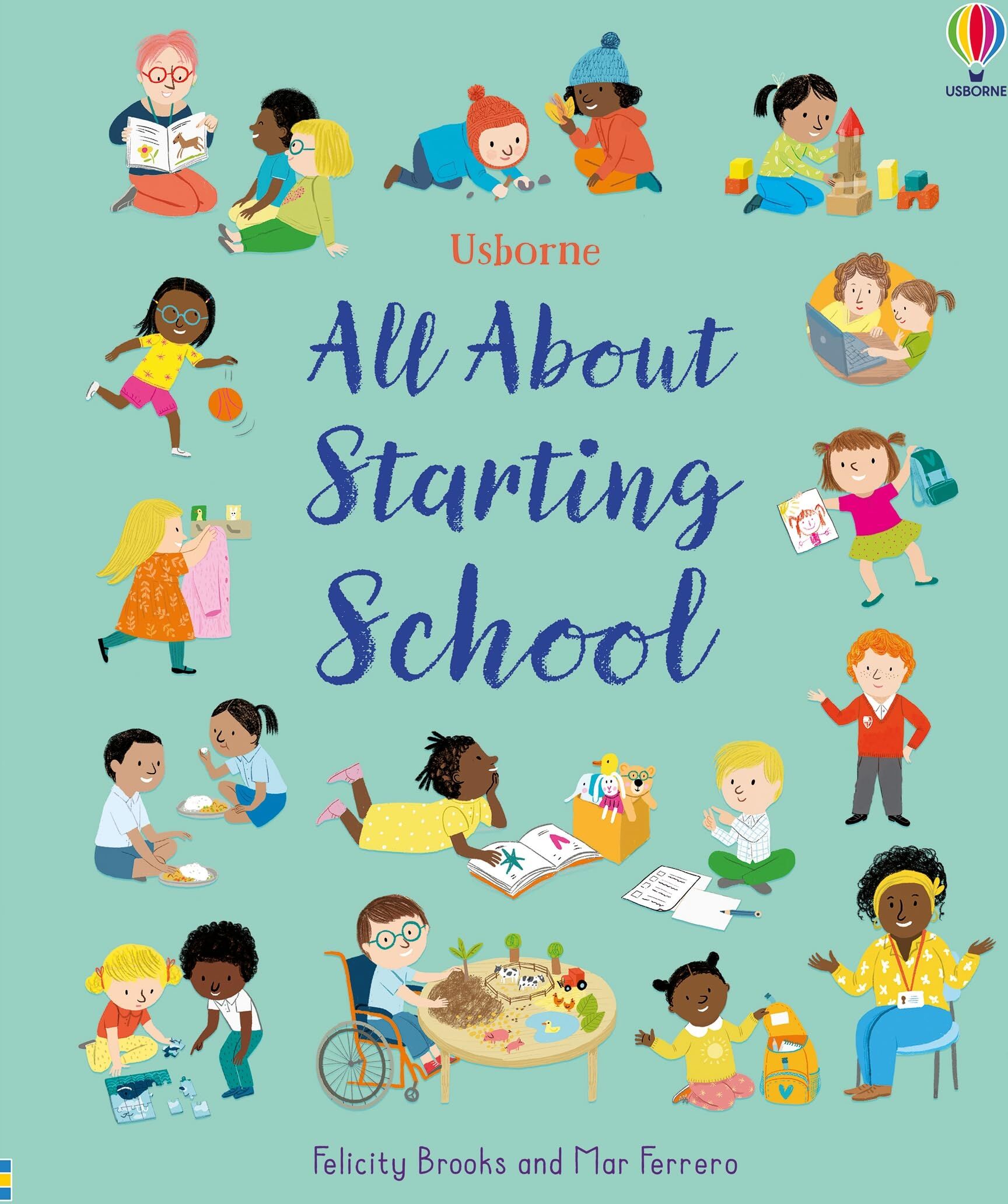
Usborne Publishing Ltd All About Starting School by Felicity Brooks (Usborne All About series)What is a school? Why do we have to go there? How will we get there? What do we need to take? Who will we meet and what will we do when we are there? These and many more questions are answered in this engaging and reassuring introduction to schools of all kinds. Children can find out about who works in a school, what happens during the school day and get tips on how to make friends. - Includes Quicklinks for further information and useful notes for grown-ups on helping prepare children for the big day. - Help build essential vocabulary - Encourages conversation about starting school - Supports early years curriculum Chapters in this book include: - What is school? - Why do you need to go to school? - Getting ready for school - Getting to school - What's in a classroom? - Who works at a school? - What will you do at school? - What else happens at school? - Lunchtime at school - Making friends - Going on a school trip - Different kinds of schools - How do you feel about school? - Some useful school words5,99 £*Shipping: 2,99 £Secure redirect to the provider
-
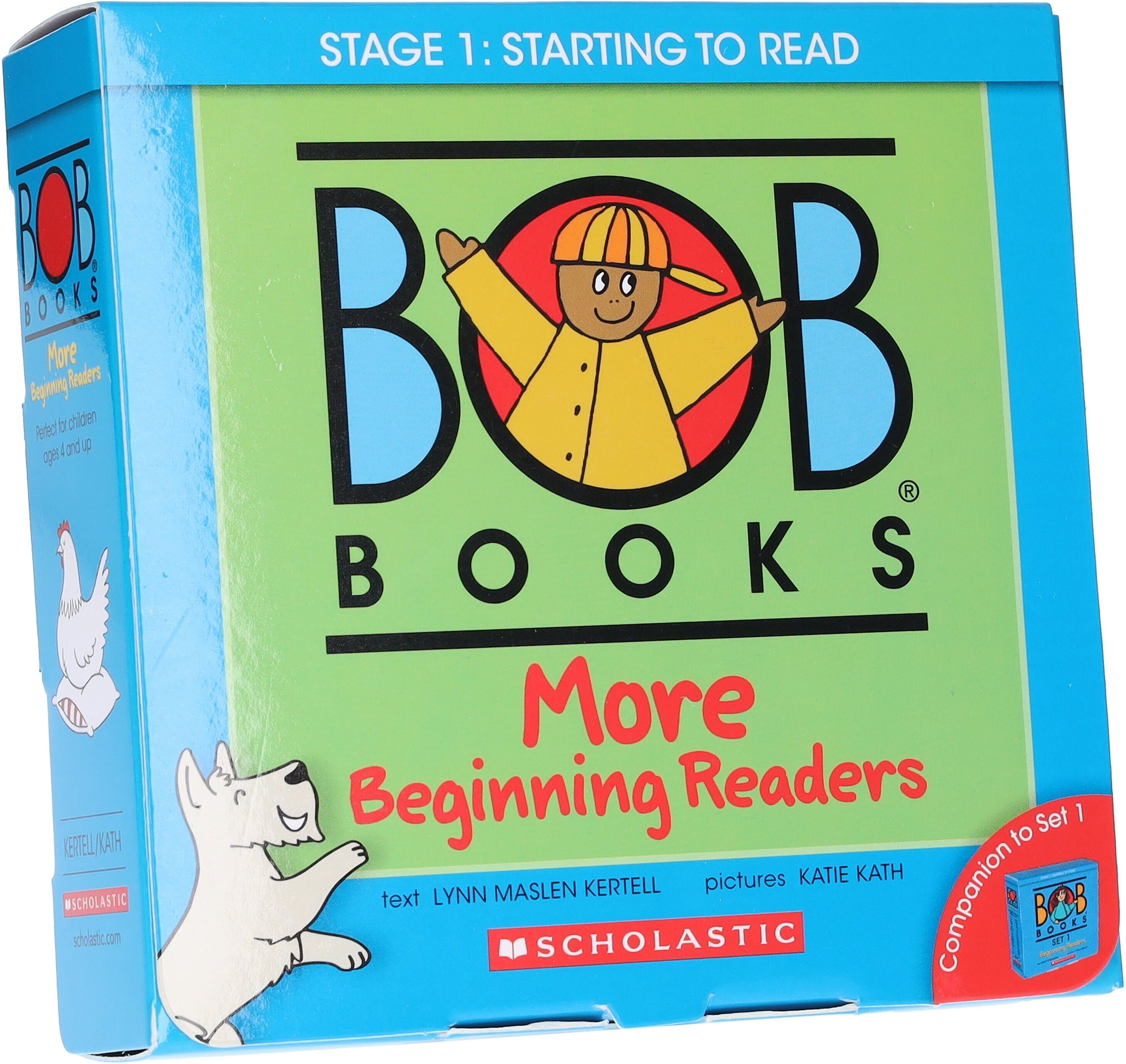
Bob Books: More Beginning Readers (Stage 1: Starting To Read) 12 Books Collection Set - Ages 4+ - Paperback ScholasticTitles in this set: Tag Will it Fit Pat Me Got It Flip's Box In the Bag Go, Ball, Go! Mit and Sid The Nap In the Well Ted's Pen Let's Go Plus Parent Guide Description: Children who have read Bob Books Set 1 Beginning Readers love these basic phonics stories. Perfect for kids that need additional practice at this level. Twelve humorous stories feature the beloved classic Bob Books characters and introduce some new friends, too! Short vowels and three-letter words in simple sentences make Bob Books More Beginning Readers a fun confidence builder. Katie Kath's simple but silly illustrations add a tickle to the words, keeping kids smiling as they read. Inside the box you'll find: 12 easy-to-read, humorous books, 12 pages each Suitable for the very beginning reader, with mostly two and three letter words Phonics based - words can be sounded out A parent card with tips for helping your child learn to read About Bob Books Bob Books is a true first reader series, designed to make helping children learn to read simple and straightforward. The clean layout, short words, and simple phonics make learning to read a fun and natural step for a child that knows the alphabet. Companion workbooks extend children's reading journey by allowing them to practice the skills learned in the books. Bob Books is designed to give young children the tools to cross from learning letters to reading words. The award-winning beginning reader book sets start slowly and progress from books with three letter words, to books with more than one sentence per page. By meeting children at the right level, parents are often amazed at how quickly their child is able to sound out words when reading their first Bob Book . Bob Books covers four reading stages... Reading Readiness (Pre-Readings): Skills Recognize shapes, patterns, and other pre-reading skills Stage 1: Starting to Read From learning the alphabet to sounding out your first words Stage 2: Emerging Readers Sentences become longer and sight words are introduced Stage 3: Developing Readers Words and sentences become longer, and new rules are introduced11,99 £*Shipping: 2,99 £Secure redirect to the provider
-
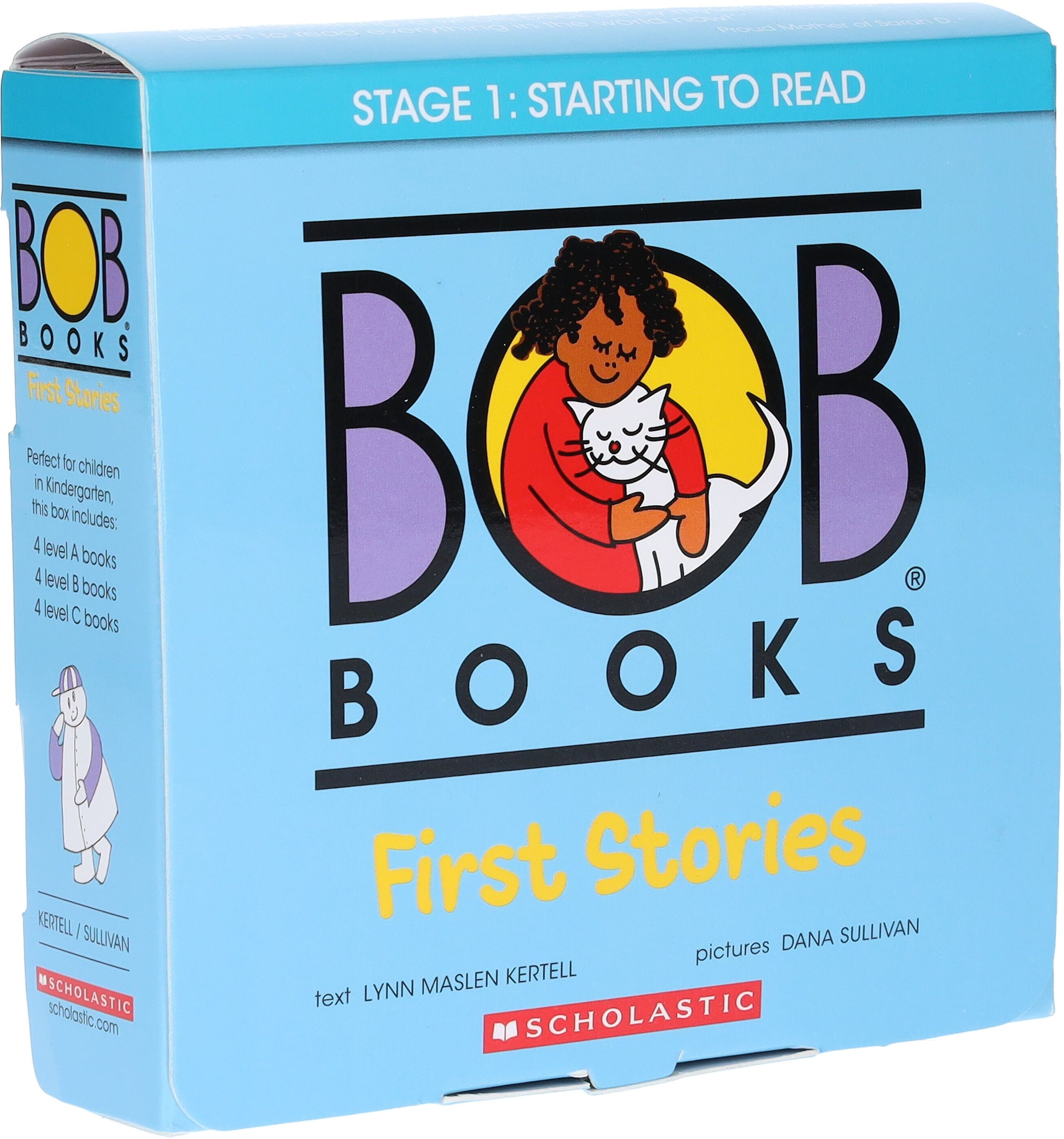
Bob Books: First Stories (Stage 1: Starting to read) 12 Books Collection Set By Scholastic - Ages 3-6 - Paperback ScholasticTitles in this set: Sam and Mat Sam Sat Dinnertime Pets Dog and Mag Dot and the Big Cat The Band Hop and Tap The Ant Buzz, Buzz, Buzz Bugs Sun Plus Parent Guide. Description: A Bob Books boxed set featuring 12 easy-to-read stories! Great for early readers, this boxed set includes twelve mini-books. This set is the perfect stepping stone to independent reading since it contains four level A books, four level B's, and four level C's. (Level A and Level B are the equivalent of the UK Pink Book Band, and Level C is equivalent to UK Red Book Band) In typical Bob Books style, these mini-books have lots of repetition, friendly illustrations, and silly stories. Bob Books First Stories is a great companion to Bob Books Set 1: Beginning Readers and Sight Words Year 1 and Sight Words Year 2 . Inside the box you'll find: 12 easy-to-read books, 12 pages each Consistent sounds. All letters (except Q) introduced gradually in this set. Books with only two and three letter words All words can be 'sounded out' (phonics based) Each book introduces a few new letters Limited sight words 7 to 20 words per book About Bob Books Bob Books is a true first reader series, designed to make helping children learn to read simple and straightforward. The clean layout, short words, and simple phonics make learning to read a fun and natural step for a child that knows the alphabet. Companion workbooks extend children's reading journey by allowing them to practice the skills learned in the books. Bob Books is designed to give young children the tools to cross from learning letters to reading words. The award-winning beginning reader book sets start slowly and progress from books with three letter words, to books with more than one sentence per page. By meeting children at the right level, parents are often amazed at how quickly their child is able to sound out words when reading their first Bob Book . Bob Books covers four reading stages... Reading Readiness (Pre-Readings): Skills Recognize shapes, patterns, and other pre-reading skills Stage 1: Starting to Read From learning the alphabet to sounding out your first words Stage 2: Emerging Readers Sentences become longer and sight words are introduced Stage 3: Developing Readers Words and sentences become longer, and new rules are introduced11,99 £*Shipping: 2,99 £Secure redirect to the provider

-
Why are some people constantly interested in starting a discussion?
Some people are constantly interested in starting a discussion because they enjoy engaging with others and sharing their thoughts and ideas. They may also be curious about different perspectives and enjoy learning from others. Additionally, starting a discussion can be a way for people to connect with others, build relationships, and feel a sense of community. Finally, some individuals may have a natural inclination towards being social and enjoy the stimulation and excitement that comes from engaging in meaningful conversations. **
-
What questions can you ask when starting a conversation with someone?
When starting a conversation with someone, you can ask open-ended questions to encourage a more in-depth discussion. Questions about their interests, hobbies, or recent experiences are great conversation starters. You can also ask about their opinions on current events, movies, or books to spark a lively conversation. Additionally, asking about their day or how they are feeling shows that you care about their well-being and can lead to a more personal conversation. **
-
Is it normal that sudden clutch engagement when starting causes a strange jerky movement?
No, it is not normal for a sudden clutch engagement when starting to cause a strange jerky movement. A smooth and gradual engagement of the clutch should result in a smooth start without any jerky movements. If the vehicle is experiencing jerky movements when starting, it could be a sign of a worn or damaged clutch, or an issue with the transmission or drivetrain. It is important to have the vehicle inspected by a qualified mechanic to diagnose and address the issue. **
-
How can social communication and interaction be described?
Social communication and interaction can be described as the exchange of information, ideas, and emotions between individuals through verbal and non-verbal means. It involves the use of language, gestures, facial expressions, and body language to convey messages and establish connections with others. Social communication and interaction play a crucial role in building relationships, fostering understanding, and creating a sense of belonging within a community. It is a dynamic process that involves active listening, empathy, and the ability to adapt to different social contexts and cultural norms. **


What is the starting salary for an office communication clerk at temporary employment agencies?
The starting salary for an office communication clerk at temporary employment agencies can vary depending on the location, the specific agency, and the candidate's experience and qualifications. However, on average, the starting salary for this position ranges from $12 to $15 per hour. As the candidate gains more experience and skills, they may have the opportunity to negotiate a higher salary. **
What is the difference between social communication and social interaction?
Social communication refers to the exchange of information through verbal and nonverbal means, such as speaking, gestures, and facial expressions, to convey thoughts, feelings, and ideas. On the other hand, social interaction involves the broader concept of engaging with others in a social setting, including activities such as playing, sharing, and collaborating. While social communication focuses on the exchange of messages, social interaction encompasses the overall dynamic of how individuals engage with one another in social contexts. **
Top-Angebote
Products related to Starting:
-
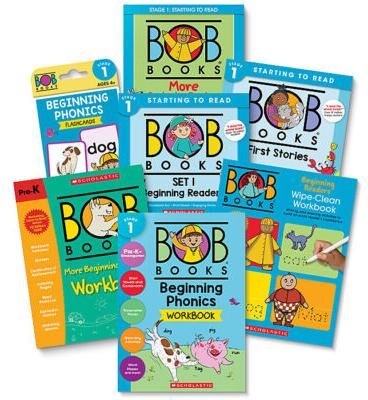
BOB Books Stage 1 Starting to Read BundleWith playful stories, silly illustrations, and a phonics approach based on Science of Reading research, Bob Books keep young readers' confidence high, leading to continued success and a love of reading. Your child will soon join the millions of...78,14 $*Shipping: 0,00 $Secure redirect to the provider
-
Usborne Starting to Read with Phonics Collection SetThis attractive pack is full of ways to support your child through the first stages of reading, building basic knowledge and confidence and helping them make reading fun from the start. The pack includes: - An Activity Book which will guide your child through the letters and sounds with activities for each new letter, - Eight 32pp Story Books from Usborne's Very First Reading series. These fun stories will help your child tackle and be familiar with the first eight letters. - An Alphabet Poster for a fun way to reward your child - Over 60 reward stickers you can use as a fun way to record progress with the story books and activities. - Parents' notes included9,99 £*Shipping: 2,99 £Secure redirect to the provider
-
Usborne Publishing Ltd All About Starting School by Felicity Brooks (Usborne All About series)What is a school? Why do we have to go there? How will we get there? What do we need to take? Who will we meet and what will we do when we are there? These and many more questions are answered in this engaging and reassuring introduction to schools of all kinds. Children can find out about who works in a school, what happens during the school day and get tips on how to make friends. - Includes Quicklinks for further information and useful notes for grown-ups on helping prepare children for the big day. - Help build essential vocabulary - Encourages conversation about starting school - Supports early years curriculum Chapters in this book include: - What is school? - Why do you need to go to school? - Getting ready for school - Getting to school - What's in a classroom? - Who works at a school? - What will you do at school? - What else happens at school? - Lunchtime at school - Making friends - Going on a school trip - Different kinds of schools - How do you feel about school? - Some useful school words5,99 £*Shipping: 2,99 £Secure redirect to the provider
-
How should one approach starting a conversation?
One should approach starting a conversation by being friendly and approachable. It's important to show genuine interest in the other person by asking open-ended questions and actively listening to their responses. Finding common ground or shared interests can also help to keep the conversation flowing smoothly. Lastly, it's important to be respectful, considerate, and mindful of the other person's feelings and boundaries. **
-
What are some tips for starting a conversation?
1. Start with a friendly greeting or a simple question to break the ice. 2. Show genuine interest in the other person by asking open-ended questions about their interests or experiences. 3. Use active listening to show that you are engaged in the conversation and value the other person's input. 4. Share a personal anecdote or story to create a connection and make the conversation more relatable. 5. Be mindful of nonverbal cues and body language to ensure that the other person feels comfortable and engaged in the conversation. **
-
Why are some people constantly interested in starting a discussion?
Some people are constantly interested in starting a discussion because they enjoy engaging with others and sharing their thoughts and ideas. They may also be curious about different perspectives and enjoy learning from others. Additionally, starting a discussion can be a way for people to connect with others, build relationships, and feel a sense of community. Finally, some individuals may have a natural inclination towards being social and enjoy the stimulation and excitement that comes from engaging in meaningful conversations. **
-
What questions can you ask when starting a conversation with someone?
When starting a conversation with someone, you can ask open-ended questions to encourage a more in-depth discussion. Questions about their interests, hobbies, or recent experiences are great conversation starters. You can also ask about their opinions on current events, movies, or books to spark a lively conversation. Additionally, asking about their day or how they are feeling shows that you care about their well-being and can lead to a more personal conversation. **
Similar search terms for Starting
-
Bob Books: More Beginning Readers (Stage 1: Starting To Read) 12 Books Collection Set - Ages 4+ - Paperback ScholasticTitles in this set: Tag Will it Fit Pat Me Got It Flip's Box In the Bag Go, Ball, Go! Mit and Sid The Nap In the Well Ted's Pen Let's Go Plus Parent Guide Description: Children who have read Bob Books Set 1 Beginning Readers love these basic phonics stories. Perfect for kids that need additional practice at this level. Twelve humorous stories feature the beloved classic Bob Books characters and introduce some new friends, too! Short vowels and three-letter words in simple sentences make Bob Books More Beginning Readers a fun confidence builder. Katie Kath's simple but silly illustrations add a tickle to the words, keeping kids smiling as they read. Inside the box you'll find: 12 easy-to-read, humorous books, 12 pages each Suitable for the very beginning reader, with mostly two and three letter words Phonics based - words can be sounded out A parent card with tips for helping your child learn to read About Bob Books Bob Books is a true first reader series, designed to make helping children learn to read simple and straightforward. The clean layout, short words, and simple phonics make learning to read a fun and natural step for a child that knows the alphabet. Companion workbooks extend children's reading journey by allowing them to practice the skills learned in the books. Bob Books is designed to give young children the tools to cross from learning letters to reading words. The award-winning beginning reader book sets start slowly and progress from books with three letter words, to books with more than one sentence per page. By meeting children at the right level, parents are often amazed at how quickly their child is able to sound out words when reading their first Bob Book . Bob Books covers four reading stages... Reading Readiness (Pre-Readings): Skills Recognize shapes, patterns, and other pre-reading skills Stage 1: Starting to Read From learning the alphabet to sounding out your first words Stage 2: Emerging Readers Sentences become longer and sight words are introduced Stage 3: Developing Readers Words and sentences become longer, and new rules are introduced11,99 £*Shipping: 2,99 £Secure redirect to the provider
-
Bob Books: First Stories (Stage 1: Starting to read) 12 Books Collection Set By Scholastic - Ages 3-6 - Paperback ScholasticTitles in this set: Sam and Mat Sam Sat Dinnertime Pets Dog and Mag Dot and the Big Cat The Band Hop and Tap The Ant Buzz, Buzz, Buzz Bugs Sun Plus Parent Guide. Description: A Bob Books boxed set featuring 12 easy-to-read stories! Great for early readers, this boxed set includes twelve mini-books. This set is the perfect stepping stone to independent reading since it contains four level A books, four level B's, and four level C's. (Level A and Level B are the equivalent of the UK Pink Book Band, and Level C is equivalent to UK Red Book Band) In typical Bob Books style, these mini-books have lots of repetition, friendly illustrations, and silly stories. Bob Books First Stories is a great companion to Bob Books Set 1: Beginning Readers and Sight Words Year 1 and Sight Words Year 2 . Inside the box you'll find: 12 easy-to-read books, 12 pages each Consistent sounds. All letters (except Q) introduced gradually in this set. Books with only two and three letter words All words can be 'sounded out' (phonics based) Each book introduces a few new letters Limited sight words 7 to 20 words per book About Bob Books Bob Books is a true first reader series, designed to make helping children learn to read simple and straightforward. The clean layout, short words, and simple phonics make learning to read a fun and natural step for a child that knows the alphabet. Companion workbooks extend children's reading journey by allowing them to practice the skills learned in the books. Bob Books is designed to give young children the tools to cross from learning letters to reading words. The award-winning beginning reader book sets start slowly and progress from books with three letter words, to books with more than one sentence per page. By meeting children at the right level, parents are often amazed at how quickly their child is able to sound out words when reading their first Bob Book . Bob Books covers four reading stages... Reading Readiness (Pre-Readings): Skills Recognize shapes, patterns, and other pre-reading skills Stage 1: Starting to Read From learning the alphabet to sounding out your first words Stage 2: Emerging Readers Sentences become longer and sight words are introduced Stage 3: Developing Readers Words and sentences become longer, and new rules are introduced11,99 £*Shipping: 2,99 £Secure redirect to the provider
-
Usborne Publishing Usborne All About Feelings 7 Book Set by Felicity Brooks (Feelings, Families, Diversity, Friends, Worries and Fears, You and Your Body, Starting SchooTitles Included All About Feelings All About Families All About Diversity All About Friends All About Worries and Fears All About You and Your Body All About Starting School All About Families What do families look like? Who’s in your family? And how can families change? With delightful illustrations, this glorious celebration of family diversity talks about lone-parent families, adoptive, foster, divorced, remarried, and mixed race families, and lots, lots more, showing little children that families come in all shapes and sizes. All About Friends Why do we need friends? How can we make friends? And what makes a good friend? This charmingly illustrated book explores the benefits of having friends, looking at different types of friendships, and what happens when friends fall out and make up. Includes helpful notes for grown-ups on talking to children about friendships, dealing with conflicts and imaginary friends. All About Feelings How are you feeling today? This lively and engaging exploration of emotions helps young children learn to answer this important question. Topics covered include learning to describe feelings, how your feelings can change, and being kind to yourself. There are helpful notes for grown-ups at the back too and links to websites for more advice. All About Diversity This dynamic and joyous exploration of difference helps young children learn to respond in a kind and equal way to everyone, regardless of shape, size, age, physical and mental ability, gender, ethnicity, beliefs, language, culture, background, and so on. With topics ranging from clothes, music and food to homes, festivals and families, there is plenty for children to talk about as they find out about what makes people different and what makes them unique. All About Worries and Fears Helps children address common anxieties and fears, providing practical tools and reassurance to help them feel safe and secure. All About You and Your Body Encourages body positivity and self-awareness, teaching children about personal hygiene, physical health, and respecting their own and others' boundaries. All About Starting School What is a school? Why do we have to go there? How will we get there? What do we need to take? Who will we meet and what will we do when we are there? These and many more questions are answered in this engaging and reassuring introduction to schools of all kinds. Children can find out about who works in a school, what happens during the school day and get tips on how to make friends. - Includes Quicklinks for further information and useful notes for grown-ups on helping prepare children for the big day.24,99 £*Shipping: 2,99 £Secure redirect to the provider
-
Inspire Curations TalkPaws Dog Communication Buttons For Pet Training & Interaction with Mats 6 PiecesStrengthen the bond with your pet through a fun and engaging way to communicate. These recordable dog communication buttons allow dogs and cats to associate words, actions, and needs with simple button presses, helping create interactive training...145,50 $*Shipping: 0,00 $Secure redirect to the provider
-
Is it normal that sudden clutch engagement when starting causes a strange jerky movement?
No, it is not normal for a sudden clutch engagement when starting to cause a strange jerky movement. A smooth and gradual engagement of the clutch should result in a smooth start without any jerky movements. If the vehicle is experiencing jerky movements when starting, it could be a sign of a worn or damaged clutch, or an issue with the transmission or drivetrain. It is important to have the vehicle inspected by a qualified mechanic to diagnose and address the issue. **
-
How can social communication and interaction be described?
Social communication and interaction can be described as the exchange of information, ideas, and emotions between individuals through verbal and non-verbal means. It involves the use of language, gestures, facial expressions, and body language to convey messages and establish connections with others. Social communication and interaction play a crucial role in building relationships, fostering understanding, and creating a sense of belonging within a community. It is a dynamic process that involves active listening, empathy, and the ability to adapt to different social contexts and cultural norms. **
-
What is the starting salary for an office communication clerk at temporary employment agencies?
The starting salary for an office communication clerk at temporary employment agencies can vary depending on the location, the specific agency, and the candidate's experience and qualifications. However, on average, the starting salary for this position ranges from $12 to $15 per hour. As the candidate gains more experience and skills, they may have the opportunity to negotiate a higher salary. **
-
What is the difference between social communication and social interaction?
Social communication refers to the exchange of information through verbal and nonverbal means, such as speaking, gestures, and facial expressions, to convey thoughts, feelings, and ideas. On the other hand, social interaction involves the broader concept of engaging with others in a social setting, including activities such as playing, sharing, and collaborating. While social communication focuses on the exchange of messages, social interaction encompasses the overall dynamic of how individuals engage with one another in social contexts. **
* All prices are inclusive of VAT and, if applicable, plus shipping costs. The offer information is based on the details provided by the respective shop and is updated through automated processes. Real-time updates do not occur, so deviations can occur in individual cases. ** Note: Parts of this content were created by AI.